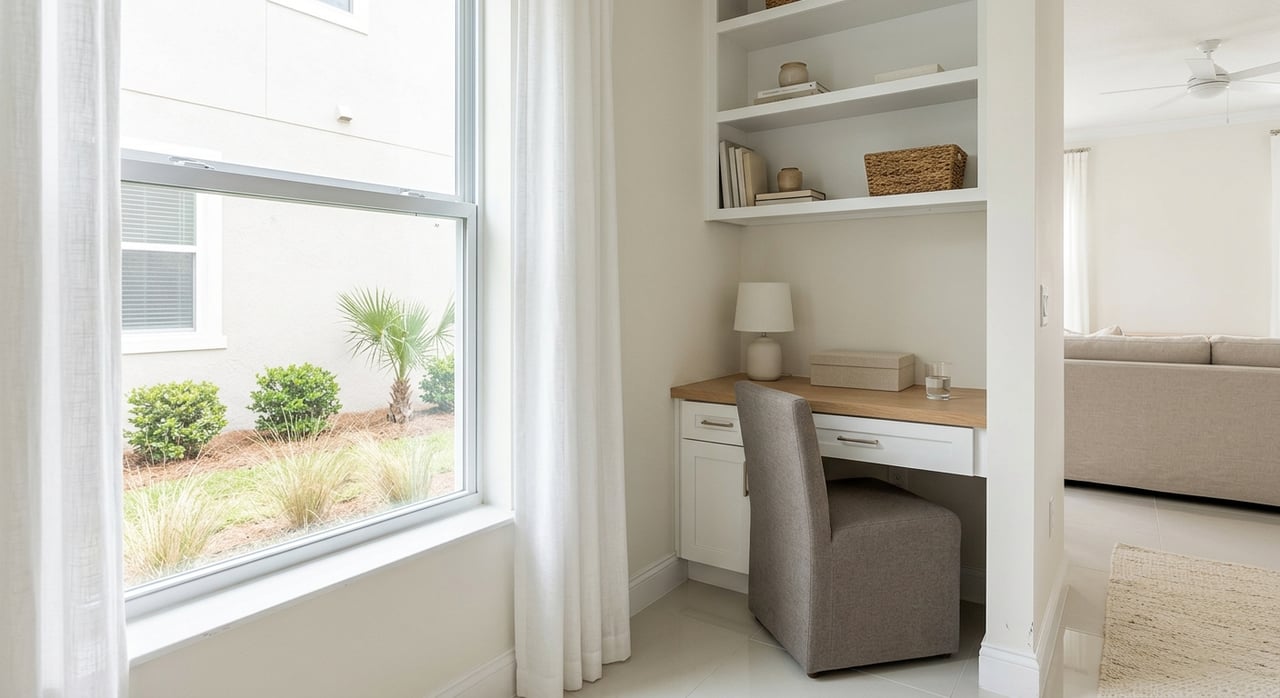
Wondering if remote work from Emerald Isle, NC feels like a dream or a real day-to-day lifestyle? The honest answer is that it can be both. If you are exploring a move to the Crystal Coast, it helps to understand not just the beach views, but also the daily rhythm, seasonal shifts, and practical details that shape life here. Let’s dive in.
Emerald Isle feels livable
Emerald Isle is not only a vacation destination. The town describes itself as a place for year-round residents, second-home owners, rental property owners, business owners, and service providers. That matters if you want a home base that supports real routines, not just weekend escapes.
The town’s permanent population is 3,797, but peak season can reach 50,000. That contrast tells you a lot about how life flows here. You get a true coastal community, but you also need to expect a very different feel during the busiest parts of the year.
Daily life is compact and easy
One reason Emerald Isle works well for remote work is its size and layout. The town covers about 5.6 square miles of land, stretches roughly 13 miles long, and is only about one-half mile wide. In practical terms, that creates a compact environment where beach, sound, local businesses, and daily errands can feel close at hand.
The town highlights more than 100 public water access points, over 500 public parking spaces, 73 acres of natural passive parklands, and more than 13 miles of biking, walking, and jogging pathways and trails. That setup supports a lower-friction lifestyle. You can work, step outside, reset, and get back to your desk without needing a major outing.
The Crystal Coast tourism authority also notes 12 miles of shoreline, Bogue Sound access, watersports, fishing, local restaurants, and The Point for sunset views. The town’s bike path runs about 11 miles from Indian Beach to The Point and passes through the downtown district. If you are picturing a day with a work block, a quick outdoor break, and an evening walk or ride, that is a realistic way to think about the flow here.
Year-round services support real routines
A lot of coastal towns look appealing online but feel limited once you start thinking about everyday needs. Emerald Isle has more than 200 small businesses that support the community throughout the year. That helps reinforce that this is a lived-in place, not only a seasonal stop.
The town also notes that doctors and dentists have offices in Emerald Isle, with clinics and hospitals within a 20-mile radius. For many remote workers and relocating buyers, that level of access is part of what makes a move feel practical. You are not just buying scenery. You are choosing a place where daily life needs to work smoothly.
Summer brings energy and crowds
If you work remotely from Emerald Isle, you will want to understand the seasonal swing before you buy. Spring and summer are the busiest times, and that shows up in both population and town operations. The beach experience, traffic patterns, and general pace all shift when visitor volume rises.
Paid parking at regional ocean accesses runs from April 1 through September 30. The town’s lifeguard program also runs from April through September. Together, those details give you a clear picture of when the island feels most active and visitor-heavy.
That does not mean summer is a bad time to live here. It simply means you should expect more movement, more demand for parking, and a busier public-beach atmosphere. If your work schedule depends on quiet midday errands or easy access during peak hours, that seasonal reality is worth planning around.
Off-season often feels more local
For many people, the off-season is when Emerald Isle feels especially comfortable as a home base. The pace usually eases after the main visitor season winds down. You may find it simpler to move around, enjoy public spaces, and settle into a steadier rhythm.
The town allows beach driving from September 15 through April 30, with a brief Easter-week closure under the current rules. Paid parking also ends after September 30. Those details suggest a meaningful shift in how the island functions outside peak season.
If you are comparing Emerald Isle with other coastal areas, this is an important distinction. A place can be beautiful in July, but the question for remote work is whether it still feels manageable in November, January, or March. In Emerald Isle, the off-season often adds to the appeal.
Weather shapes your routine
Coastal living always comes with weather patterns that affect how you plan your week. In Emerald Isle, average temperatures range from about 50°F/39°F in January to about 87°F/73°F in July and August. That supports a lifestyle with mild winters and hot summers.
The town reports average annual rainfall of 46.9 inches. Late summer can feel wetter and more tropical, which is part of the coastal experience. If you enjoy being outside year-round, that climate can be a strong plus, but it also means flexibility matters.
For remote workers, weather is not just background scenery. It affects your work breaks, your backup plans, and how you use outdoor space across the year. A sunny January walk and a humid August afternoon may both be part of life here, just in very different ways.
Flood planning matters here
If you are thinking about buying in Emerald Isle, flood planning should be part of your early homework. The town advises homeowners to review flood maps and notes that homeowner’s insurance does not cover flood damage. That is one of the clearest practical realities of barrier-island living.
Emerald Isle has participated in the National Flood Insurance Program since 1977. The town also says special flood-hazard areas are mapped at the Planning and Inspection Office. For buyers, that means flood zone review is not optional background detail. It is a central part of making an informed decision.
This does not mean you should avoid the market. It means you should ask the right questions early, understand the property-specific risk, and build insurance planning into your budget from the start.
Storm season is part of life
Another reality of remote work on the coast is weather preparedness. Atlantic hurricane season runs from June 1 through November 30. During summer and early fall, many full-time residents pay close attention to forecasts, storm updates, and any local guidance that may affect routines.
For a remote professional, that means your planning should go beyond where you place your desk. You should also think about backup work options, scheduling flexibility, and how you want to prepare your home and household during storm season. That is simply part of living well on the coast.
A realistic view is helpful here. Emerald Isle offers a strong lifestyle, but it is still a barrier island. The best move is to enjoy the benefits while respecting the responsibilities that come with the setting.
Internet needs address-level research
One of the biggest mistakes remote buyers make is assuming internet service will be the same everywhere. In Emerald Isle, the safest approach is to verify service at the exact street address you are considering. The FCC National Broadband Map is address-based and shows which providers report service at a particular location.
That is especially important when you rely on video calls, large file uploads, or a consistent connection during the workday. A home can check many boxes visually and still need closer review on connectivity. Before you get too far into a decision, confirm what service is actually available at that property.
This is one area where details matter more than general impressions. If remote work is a non-negotiable, address-level internet research should be on your must-do list.
What life really flows like
So what does remote work from Emerald Isle really feel like? In many cases, it feels calm, scenic, and easier to enjoy on an ordinary Tuesday than people expect. The island’s size, pathways, beach access, and year-round business base support a lifestyle where work and downtime can fit together naturally.
At the same time, life here is shaped by seasonality. Summer brings more crowds and activity. Coastal ownership brings flood and insurance considerations. Storm season requires preparation, and internet needs should be checked carefully by address.
That balance is what makes Emerald Isle credible as a remote-work base. You are not choosing a fantasy version of coastal living. You are choosing a real community with meaningful everyday perks and a few practical tradeoffs that are worth understanding upfront.
If you are thinking about making Emerald Isle your home base, the right local guidance can help you sort through lifestyle fit, property options, and the details that matter most for how you actually live and work. When you are ready to explore homes or ask smart location-specific questions, connect with Nc Coastal Team.
FAQs
What is year-round life in Emerald Isle like for remote workers?
- Emerald Isle offers a true year-round lifestyle with beach and sound access, local businesses, medical offices in town, and outdoor amenities that can fit naturally into a remote-work routine.
How busy does Emerald Isle get during peak season?
- Emerald Isle has a permanent population of 3,797, but peak season can reach 50,000, so spring and summer typically feel much busier than the off-season.
What seasonal changes affect daily life in Emerald Isle?
- Paid parking at regional ocean accesses runs from April 1 through September 30, lifeguards are in place from April through September, and beach driving is allowed from September 15 through April 30 with a brief Easter-week closure under current rules.
What weather should you expect in Emerald Isle, NC?
- Average temperatures range from about 50°F/39°F in January to about 87°F/73°F in July and August, with average annual rainfall of 46.9 inches.
What flood information should Emerald Isle homebuyers review?
- You should review flood maps early because homeowner’s insurance does not cover flood damage, and the town says special flood-hazard areas are mapped at the Planning and Inspection Office.
What should remote workers verify before buying in Emerald Isle?
- You should verify internet service at the exact street address because reported broadband availability can vary by location, and remote work needs are often connection-specific.
