Preparing Your Home for a Buyer’s Inspection: A Seller’s Guide
Once a home goes under contract, the inspection is usually the next major step. For many sellers, it can feel a little nerve-racking. In reality, inspections are a routine part of the process and most go very smoothly when the home is prepared ahead of time.
A little preparation can make the appointment easier for the inspector, reduce unnecessary concerns, and help the process move forward without delays.
Here’s how to get your home ready.
Make Sure the Inspector Has Easy Access
One of the most common issues during inspections is simply access. Inspectors need to reach many parts of the property that normally aren’t used every day.
Before the appointment, make sure the inspector can access:
• the attic
• the crawlspace or basement
• the electrical panel
• the water heater
• the HVAC system and air handler
• under sinks and plumbing fixtures
• the garage and garage door opener
If storage items block these areas, move them temporarily so the inspector can do their job without difficulty.
Replace Burned-Out Light Bulbs
This may sound minor, but inspectors check light fixtures as part of their process. When a light doesn’t turn on, the inspector must assume it may be an electrical issue.
Replacing burned-out bulbs helps avoid notes in the report that could otherwise raise unnecessary questions.
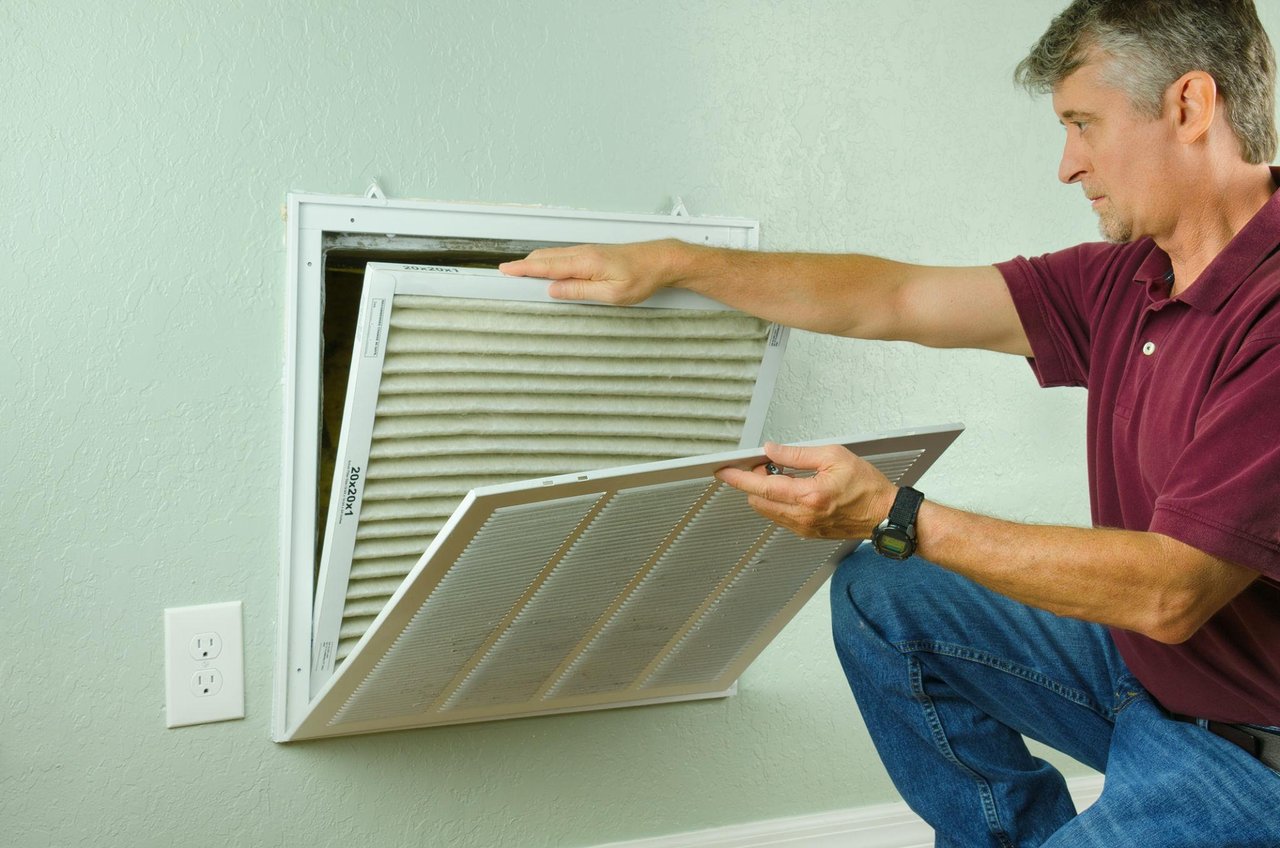
Change HVAC Filters
A clean air filter signals that the system is being maintained properly. If the filter is visibly dirty, inspectors often note it in the report.
Replacing it before the inspection is quick, inexpensive, and helps present the home well.
Test Smoke and Carbon Monoxide Detectors
Inspectors will test safety devices, including smoke detectors and carbon monoxide detectors. If batteries are dead, it will be noted in the report.
Installing fresh batteries ahead of time helps avoid an easy item appearing on the inspection list.
Address Small Maintenance Items
Minor issues can sometimes stand out in inspection reports even when they’re easy to fix.
Before the inspection, it’s helpful to address simple items like:
• loose door handles
• dripping faucets
• running toilets
• missing outlet covers
• sticky doors or windows
• loose handrails
Taking care of these ahead of time can make the overall report feel cleaner and more straightforward.
Provide Documentation if You Have It
If you have records for major systems or repairs, it can be helpful to leave them available for the buyer.
Examples include:
• roof replacement documentation
• HVAC service records
• appliance warranties
• termite bond information
• permits for renovations
This isn’t required, but it can give buyers additional confidence in the home.
Plan to Be Away During the Inspection
Most inspections take two to four hours depending on the size of the home. Buyers typically attend with their agent, and inspectors move throughout the property during that time.
It’s best for sellers (and pets) to be away from the home during the appointment so the inspector can work freely.
A Final Note
No home inspection report is ever completely empty. Even well-maintained homes will have small notes or maintenance recommendations.
The goal of the inspection isn’t perfection. It’s simply to give buyers a clear understanding of the home’s condition.
Preparing the home ahead of time helps the inspection go smoothly and keeps the focus on the overall strength of the property rather than minor distractions.
If you have questions before your inspection appointment, we’re always happy to walk through what to expect.
