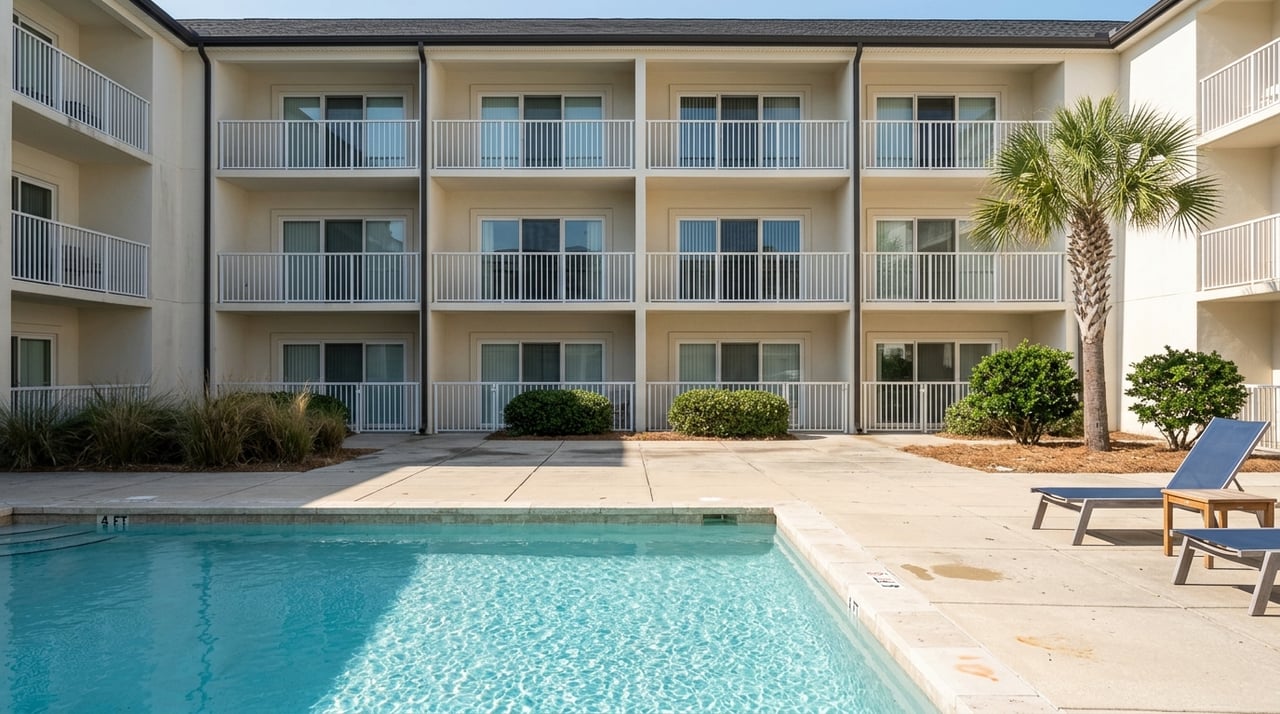
Dreaming about a place where the beach feels easy, the upkeep feels lighter, and your time off actually feels like time off? If you are exploring Indian Beach condos, you are probably looking for more than a property. You are looking for a simple coastal escape that fits the way you want to live, visit, and possibly host guests. This guide will help you understand what makes Indian Beach condo living appealing, what to compare before you buy, and what to verify before you make a move. Let’s dive in.
Why Indian Beach Feels Different
Indian Beach is a small town on Bogue Banks along North Carolina’s Crystal Coast. It offers access to both the Atlantic Ocean and Bogue Sound, and the town describes itself as a relaxed small-community setting.
That small-scale feel matters when you are shopping for a getaway property. Indian Beach is primarily seasonal, and its certified land-use plan notes that there is very little land left for development. For buyers, that can make existing condo inventory especially important when you want a coastal property in a more established setting.
Why Condos Fit Relaxed Coastal Living
For many buyers, a condo offers a practical way to enjoy the coast without taking on the full exterior maintenance of a detached home. Instead of spending your weekends on yard work and exterior upkeep, you may gain access to shared amenities and a more lock-and-leave lifestyle.
That tradeoff is a big part of the Indian Beach condo appeal. In a barrier-island town where beach access, parking, and storm-ready maintenance can shape day-to-day ownership, condos often package those needs into a more streamlined ownership experience.
What Indian Beach Condo Communities Often Offer
A strong local example is Summer Winds, an oceanfront condo community in Indian Beach. According to its HOA, the community spans 18 oceanfront acres and includes 211 two-, three-, and four-bedroom units across three buildings.
Its amenity package helps show what many relaxed-getaway buyers are looking for when they compare condo options. Features there include:
- Gated entrances
- Three private beach accesses
- Heated indoor pool
- Three outdoor pools
- Outdoor hot tub
- Tennis and basketball courts
- Racquetball
- Fitness center
- Grilling areas
- Game room and snack bar
- Sauna
- Security staff
- Fish-cleaning station
- Wi-Fi throughout the campus
- Boat storage lot
You may not find every amenity in every community, but this gives you a clear picture of the condo lifestyle many buyers want in Indian Beach. Shared features can support personal use, visiting guests, and easier weekend living.
Views and Floor Plans Matter More Than You Think
When you compare Indian Beach condos, square footage is only part of the story. View orientation and building position can have a major impact on how a property feels and functions.
Summer Winds notes that some units face the ocean while others look toward the beach and pools. That means two condos in the same community can offer very different experiences. If your goal is a peaceful retreat, it helps to compare not just price and size, but also floor level, view line, building location, and how you expect to use the unit.
Beach Access and Parking Are Core Features
In Indian Beach, beach access is not a minor detail. It is one of the biggest value drivers for condo ownership.
The town does not own or operate municipal parks, but it does maintain several public beach access sites. Carteret County’s access map includes multiple Indian Beach-area access points, including the Indian Beach Access with 36 parking spaces and a 4-wheel-drive ramp, plus the Salter Path Regional Access with 75 spaces, bathrooms, picnic tables, and showers.
For condo buyers, this means you should look closely at how each property connects you to the beach. A community with private beach access may offer a different ownership experience than one that relies more heavily on nearby public access points and shared public parking.
Condo Ownership Means Shared Rules Too
A condo can simplify many parts of coastal ownership, but it also comes with a structure you need to understand before you buy. In North Carolina, the Condominium Act gives condo associations broad authority to adopt and amend bylaws and rules, collect assessments for common expenses, hire managers, and levy reasonable fines for violations.
That is why the condo documents matter just as much as the finishes inside the unit. A beautiful property can still be the wrong fit if the rules do not align with how you want to use it.
What to Review Before Making an Offer
Before you move forward on an Indian Beach condo, review these items carefully:
- HOA declaration
- Bylaws and rules
- Current assessments and common expenses
- Reserve funding and maintenance planning
- Rental minimums
- Pet rules
- Elevator access
- Private or deeded beach access
- Owner parking
- Guest parking
- Storage for beach gear
These details shape the real ownership experience. They can affect your monthly costs, your flexibility, and how smoothly the property works for everyday use or occasional stays.
If You Plan to Host Guests or Rent It Out
Many buyers in Indian Beach want a property that can serve as both a personal retreat and a guest-friendly home. That is a common use case in this market.
Summer Winds notes that some units are rented directly by homeowners, while others are represented by local rental management companies. That is a practical sign that mixed personal use and guest hosting are part of the condo landscape in Indian Beach.
If you are considering short-term stays, North Carolina’s Vacation Rental Act is especially important. The law applies to residential property, including condominiums, defines a vacation rental as fewer than 90 days, and requires a written vacation rental agreement. The statute also addresses advance payments and allows fees such as processing and cleaning charges.
Carteret County also adds a 6% occupancy tax, and the county says that tax applies to Airbnb, VRBO, and similar online bookings. If rental use matters to your purchase decision, make sure you understand both the legal framework and the specific HOA rules for the building you are considering.
Coastal Risk Should Be Part of Your Comparison
Buying on a barrier island is not the same as buying inland. Indian Beach offers a beautiful setting, but coastal risk needs to be part of your review from the beginning.
NC DEQ says buyers on the oceanfront take on storm and erosion risks. Indian Beach’s land-use plan also says the town is vulnerable to hurricanes, coastal flooding, and nor’easters.
The same plan reported that 91.4% of housing units were within or immediately adjacent to a flood-hazard area. It also states that properties in AE and VE zones are required to carry federal flood insurance.
Because flood risk can vary by address, an official flood zone check is a smart step before you commit. FEMA’s Flood Map Service Center is the official source for flood hazard information, so address-level verification should be part of your condo review process.
The Big Tradeoff to Understand
Indian Beach condos are often best understood as a lifestyle tradeoff. You may gain lower-maintenance ownership, strong amenity density, and easier access to beach living.
At the same time, you are also taking on shared rules, shared costs, and coastal conditions that need careful review. For many buyers, that balance works very well. The key is knowing what you value most before you compare communities, floor plans, and price points.
How to Shop Indian Beach Condos Smarter
If you want a relaxed coastal getaway, start with your real priorities instead of jumping straight to listings. Ask yourself:
- Do you want direct ocean views or are you comfortable with pool or courtyard views?
- Do you want private beach access, or is nearby public access enough?
- Will you use the condo mostly yourself, or do you want flexibility for guest stays?
- Are amenities a top priority, or would you rather keep ownership simpler?
- How comfortable are you with HOA rules, assessments, and coastal insurance requirements?
When you answer those questions first, it becomes much easier to sort through options and focus on the condos that fit your goals. That can save time, reduce surprises, and help you make a more confident decision.
If you are thinking about buying a condo in Indian Beach, local guidance matters. From reviewing condo documents to helping you compare views, access, amenities, and long-term fit, Nc Coastal Team can help you make a clear and informed move on the Crystal Coast.
FAQs
What makes Indian Beach condos appealing for coastal getaways?
- Indian Beach condos can offer a lower-maintenance ownership style, shared amenities, and easier beach access in a relaxed small-community setting.
What amenities can Indian Beach condo communities include?
- Some Indian Beach condo communities may include features such as pools, private beach access, fitness spaces, sports courts, grilling areas, security, and boat or beach-gear storage.
What should you review in Indian Beach condo HOA documents?
- You should review the declaration, bylaws, rules, assessments, reserve funding, rental minimums, pet policies, parking details, and maintenance responsibilities.
Can you use an Indian Beach condo as a vacation rental?
- Some condos may allow guest hosting or vacation rental use, but you need to confirm the community’s rules and follow North Carolina’s Vacation Rental Act requirements.
Why is flood risk important when buying an Indian Beach condo?
- Indian Beach is a barrier-island community with storm, erosion, and flood exposure, so checking the property’s flood zone and insurance requirements is an important part of due diligence.
Why do beach access and parking matter for Indian Beach condos?
- Beach access and parking can shape convenience, guest use, and overall value, especially in a town where public access locations and parking capacity play a key role in the ownership experience.
