By NC Coastal Team
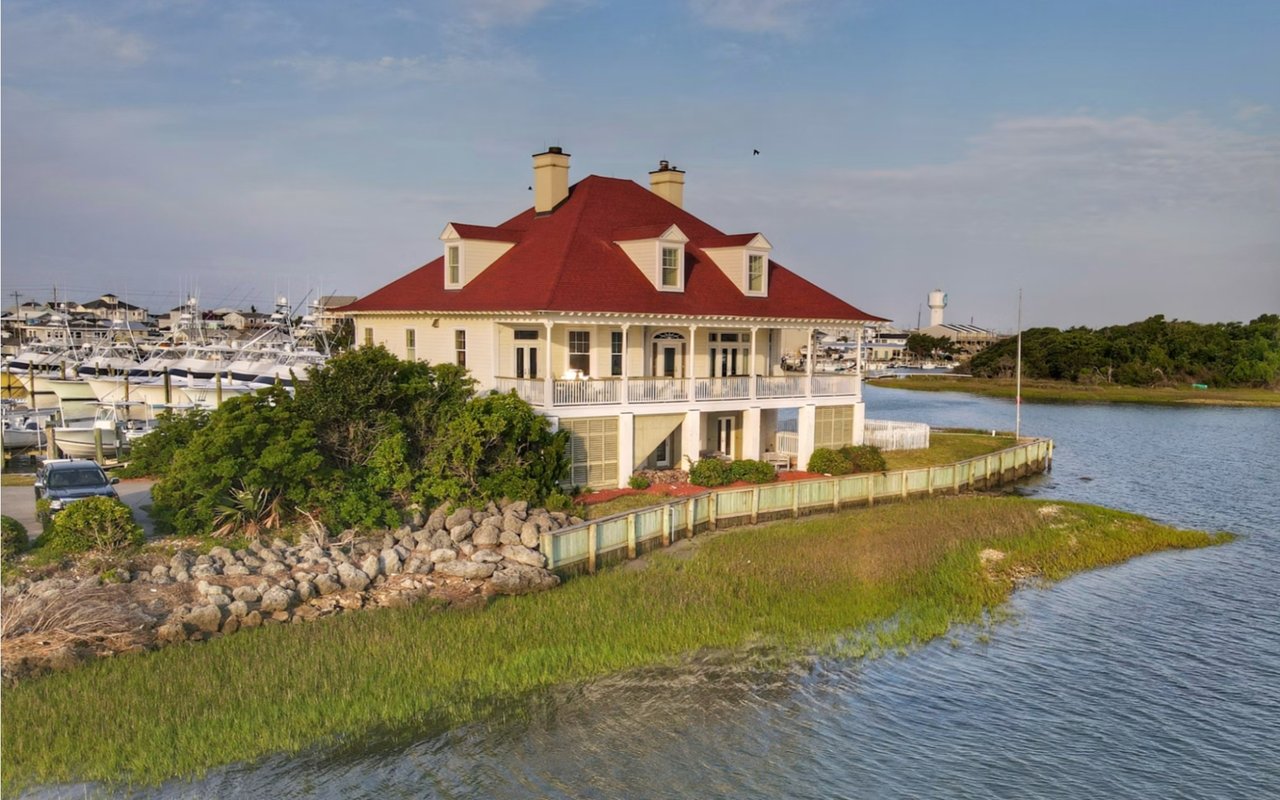
Pricing a home on the Crystal Coast is a different exercise than pricing a property inland. The variables here — water access, view quality, flood zone designation, rental history, and proximity to the beach — can significantly impact the value of two properties on the same street. Getting it right requires a pricing strategy built specifically for this market, not a formula borrowed from elsewhere.
Key Takeaways
- Water access, view type, and beach proximity are the most influential value drivers on the Crystal Coast — and each requires specific comparable analysis rather than general price-per-square-foot metrics
- Flood zone designation and insurance costs affect what buyers will actually pay, making them pricing considerations, not just due diligence items
- Short-term rental income history is a meaningful pricing input for investment-oriented properties — documented revenue supports value in ways that comparable sales alone sometimes can't
- Overpricing a coastal property in a market with limited buyers and seasonal demand patterns is more costly here than in higher-volume inland markets
Understand What Drives Value on the Crystal Coast
Coastal pricing isn't about applying a formula — it's about understanding which specific features buyers in this market pay premiums for and quantifying those premiums accurately.
The Variables That Shape Coastal Home Values
- Oceanfront and canal-front properties command measurable premiums over comparable homes without direct water access — and the gap between those two categories varies considerably depending on location along Bogue Banks
- View quality matters independently of water access — an elevated ocean view from a sound-side lot can support pricing closer to waterfront than interior comparable sales would suggest
- Beach proximity carries a distance-decay effect that experienced appraisers and agents can quantify — buyers pay meaningfully more per foot of proximity, and that gradient is steeper in some Crystal Coast communities than others
- Lot size and parking availability on Bogue Banks affect rental capacity and buyer appeal in ways that don't factor into most inland pricing models
Sellers who understand which of their property's features represent genuine premiums — and which ones buyers in this market are indifferent to — price more accurately from the start.
Account for Flood Zone and Insurance Costs
On the Crystal Coast, a property's flood zone designation is a financial variable that directly affects buyer purchasing power — and therefore what the market will actually support as a sale price.
How Flood Zone Status Affects Pricing Strategy
- Properties in AE and VE flood zones carry mandatory flood insurance requirements that add meaningfully to monthly carrying costs — buyers factor this into their offer calculations, whether sellers account for it or not
- A higher-premium flood zone can effectively reduce a buyer's purchasing power for a given property by several hundred dollars per month, which translates directly into what they're willing to offer
- Recent FEMA remapping in coastal North Carolina has shifted some Crystal Coast properties into higher-risk designations — confirming current zone status before pricing prevents surprises during buyer due diligence
- Properties with elevation certificates documenting above-BFE construction can support lower insurance rates — this documentation has real value and should be highlighted in the listing rather than left for buyers to discover
Sellers who price without accounting for the buyer's all-in cost of ownership consistently generate weaker offers than those who price with full awareness of the insurance picture.
Use Rental History as a Pricing Input
For Crystal Coast properties with established short-term rental histories, documented income is a meaningful pricing tool — particularly when comparable sales are limited or don't fully reflect the property's income-generating profile.
How Rental Income Supports Coastal Pricing
- Documented gross rental revenue from the prior one to two seasons gives investment-oriented buyers a concrete return framework that supports pricing above what physical comparables alone might justify
- Properties with strong rental histories on platforms like VRBO and Airbnb can present that data alongside the listing to attract buyers who are specifically evaluating income potential
- Rental income documentation is most effective when paired with occupancy rates and net income after management fees — gross revenue alone doesn't tell the full story buyers need to make confident offers
- Properties without rental history but in high-demand rental corridors benefit from positioning against the income potential of comparable rental properties, even if the current owner hasn't rented
Rental income is an underutilized pricing tool on the Crystal Coast — and sellers who bring that data to the table give buyers a reason to move with confidence.
FAQs: Pricing Coastal Homes in North Carolina
How do I find true comparables for a Crystal Coast property?
True comparables require matching water access type, view quality, flood zone, and location along the coast — not just bedroom count and square footage. An agent with specific Crystal Coast experience can identify the most relevant sales and explain the adjustments required when comparables aren't perfect matches.
Should I price higher to leave room to negotiate?
Not in this market. Coastal properties attract a smaller, more geographically distributed buyer pool than inland homes — an overpriced listing sits longer, accumulates days on market, and typically sells for less than a correctly priced listing would have generated with strong early momentum.
How does seasonality affect Crystal Coast's pricing strategy?
Timing matters here more than in most markets. Spring listings capture buyers who are actively planning summer access and rental seasons. Fall and winter listings face a reduced buyer pool — which doesn't mean they can't sell, but it does mean pricing needs to reflect the narrower demand window accurately.
Price Your Crystal Coast Home with NC Coastal Team
Getting the price right on a coastal property requires the kind of market-specific knowledge that only comes from working this market every day.
We are Tara Powell and Danielle Abraham — the award-winning RE/MAX NC Coastal Team. As co-owners and deeply aligned partners, we bring strategy, local expertise, and genuine personal investment to every seller relationship we take on. Whatever stage of the journey you're in, we're here to help you navigate it well.
Connect with the NC Coastal Team today.
We are Tara Powell and Danielle Abraham — the award-winning RE/MAX NC Coastal Team. As co-owners and deeply aligned partners, we bring strategy, local expertise, and genuine personal investment to every seller relationship we take on. Whatever stage of the journey you're in, we're here to help you navigate it well.
Connect with the NC Coastal Team today.
