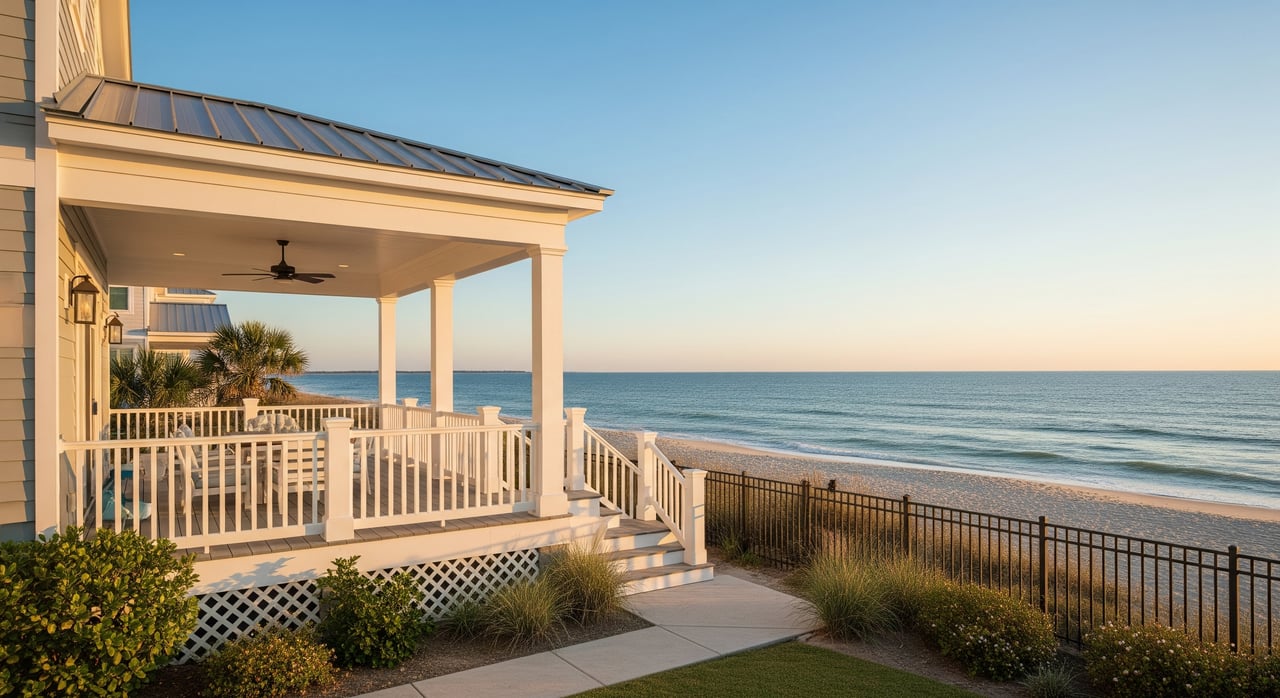
Buying a beach home from another state can feel risky. You want the salt air and rental potential, but you also want clarity about condition, insurance, and closing logistics.
If you are still deciding whether living in Emerald Isle fits your long-term plans, start with our complete Living in Emerald Isle guide. This article focuses specifically on how to purchase a property remotely once you have decided Emerald Isle is the right place for you.
Below is the step-by-step process experienced out-of-state buyers follow when purchasing on the Crystal Coast.
Your Remote-Buying Roadmap
Most remote Emerald Isle buyers follow a similar path:
-
Define your must-haves and budget, then set up MLS alerts
-
Use virtual tours to narrow options and request key documents
-
Craft an offer aligned with North Carolina contract norms
-
Complete inspections with live video and recorded summaries
-
Secure insurance quotes and confirm flood zone details early
-
Coordinate title, notarization, and funds for remote closing
-
Let your local team handle on-the-ground tasks and final walk-through
When structured properly, remote purchases can feel organized rather than overwhelming.
Virtual Property Evaluation That Feels In-Person
You can evaluate a home thoroughly without flying in.
Live video walk-throughs allow you to direct attention to details that matter most to you. Pre-recorded full-property videos allow you to revisit rooms, exteriors, and surrounding areas. Drone footage provides roof perspective, lot positioning, and beach access context. When available, floor plans and 3D tours help confirm layout and flow.
Before writing an offer, request documentation such as:
-
Seller’s property disclosure
-
Prior inspection reports if available
-
Survey
-
Elevation certificate if available
-
HOA documents and budgets
-
Septic or well records if applicable
-
Rental history if relevant
-
Permit history for additions or decks
Reviewing documentation early reduces surprises during due diligence.
A strong virtual showing checklist should include close-ups of:
-
Roof condition
-
HVAC system
-
Water heater
-
Crawlspace or foundation
-
Deck connections
-
Gutters and drainage
-
Appliance serial numbers
-
Nearby beach access points
Seeing the surrounding streets and immediate area by video can also clarify seasonal traffic patterns and neighborhood feel.
Offer Strategy in North Carolina
North Carolina contracts commonly include a due diligence fee and a due diligence period. The due diligence fee is paid directly to the seller in exchange for taking the property off the market while the buyer investigates condition and documents. Earnest money is separate and typically held by a broker or closing attorney.
Clear timelines matter. Inspection dates, appraisal windows, loan commitments, and closing dates should be realistic and reflect inspector and lender availability.
Emerald Isle’s market can shift with seasonality. A competitive offer balances price, due diligence timing, and reasonable expectations about repairs or credits. Exact contract structure should always be confirmed with your agent and, if desired, your attorney.
Buyers still comparing barrier island communities may also want to review Emerald Isle vs Atlantic Beach before finalizing their search area.
Remote Inspections With Video Clarity
Order inspections early in the due diligence period.
A general home inspection reviews roofing, HVAC, electrical, plumbing, and structure. Coastal properties may also require:
-
WDO/termite inspection
-
Septic system evaluation
-
Well water testing
-
Pool or spa inspection
-
Chimney review if applicable
-
Structural engineering review if flagged
-
Elevation certificate if needed for insurance
Joining inspections by video allows you to ask questions in real time. Expect a written report with photos and a summary highlighting safety or financing concerns.
If repairs are negotiated, request photo documentation and consider a re-inspection before due diligence ends.
Flood, Wind, and Coastal Due Diligence
Barrier island ownership requires attention to insurance details.
Confirm the FEMA flood zone designation and whether the home lies in a Special Flood Hazard Area. If financing is involved and the property is in a flood zone, flood insurance is typically required.
Obtain quotes early from both National Flood Insurance Program and private carriers if applicable. Elevation certificates can influence premiums and may require scheduling a licensed surveyor.
Understand wind or hurricane deductibles. Coastal policies may separate wind coverage or include higher deductibles depending on proximity to water and construction type.
Review HOA rules carefully, especially rental policies, parking restrictions, occupancy limits, and financial reserves.
Insurance costs and permitting requirements vary by property more than by town boundary, so parcel-level review is essential.
Closing From Anywhere
Title work begins shortly after contract execution. A title search identifies easements, covenants, and liens that must be cleared before closing.
For financed purchases, the Closing Disclosure must be delivered at least three business days before closing.
Signing options typically include:
-
Mail-away closing package with local notary
-
Traveling notary
-
Power of attorney
-
Remote Online Notarization where permitted
Confirm available options with your lender and closing attorney early.
Always verify wire instructions by phone using a trusted number for the title company. Do not rely solely on emailed instructions.
What Your Local Team Handles
A strong local team becomes your in-person presence.
They can:
-
Verify property condition after storms
-
Capture high-quality video
-
Coordinate inspections and vendor access
-
Manage repair estimates and documentation
-
Retrieve HOA or association certificates
-
Conduct final walk-through video
-
Coordinate keys and post-closing logistics
- Coordinate quotes for repairs and improvements
Remote buyers succeed when responsibilities are clearly defined.
Typical Timeline
Every transaction differs, but a common sequence looks like this:
-
Search and evaluation: weeks to months
-
Offer accepted and due diligence begins
-
Inspections within first 3–10 days
-
Repairs negotiated during due diligence
-
Appraisal and underwriting: often 3–6 weeks
-
Title and lien clearing runs concurrently
-
Closing Disclosure issued
-
Remote or in-person closing
Build buffer time during peak seasons when inspector and surveyor schedules may tighten.
Pro Tips for Out-of-State Buyers
-
Get pre-approved before touring
-
Request documentation upfront
-
Join live inspection sessions
-
Secure early flood and wind quotes
-
Keep communication centralized with your agent
-
Store reports and disclosures in one secure folder
Organization reduces stress.
Ready to Buy With Confidence?
You can purchase an Emerald Isle home from anywhere when you follow a structured process and rely on local expertise.
If you are exploring a second home, investment property, or future relocation, begin by reviewing our full Living in Emerald Isle guide to understand how daily life feels year round.
When you are ready to move forward, the NC Coastal Team can coordinate each step from first virtual tour to final signature with clear timelines and video-supported decisions.
