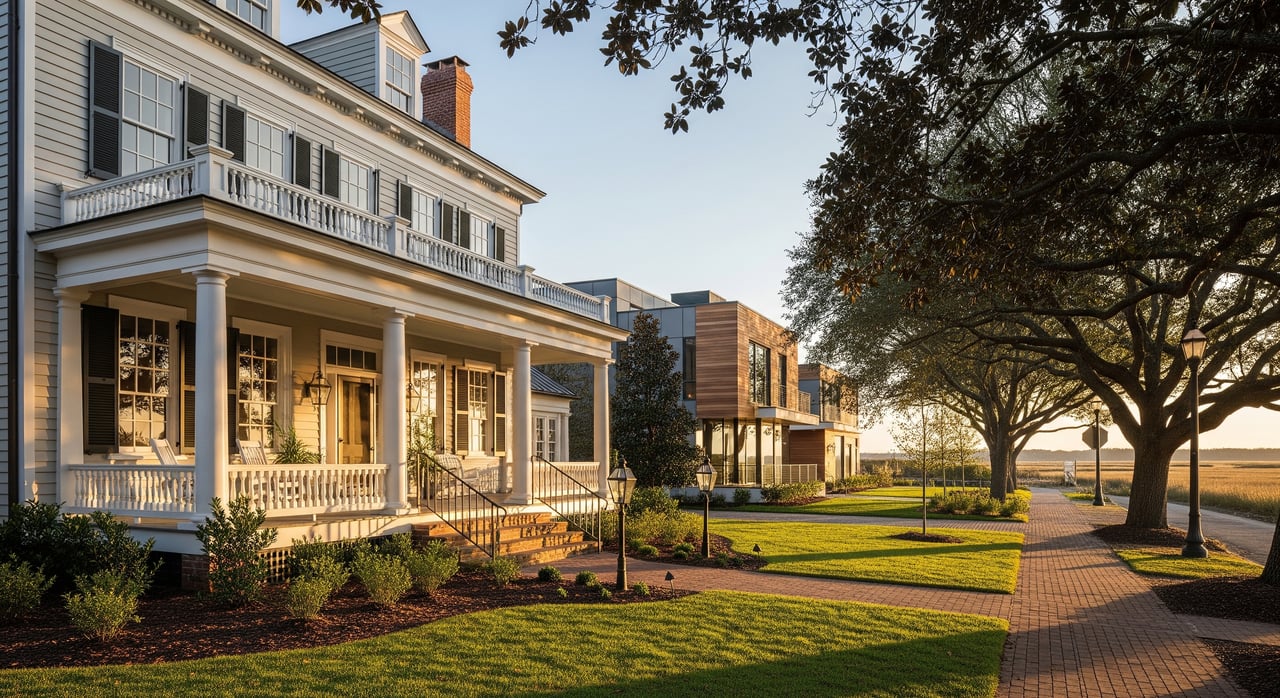
Historic vs New Construction in New Bern NC
Torn between a storied downtown charmer and a fresh, modern build?
You are not alone.
In New Bern, you will find one of eastern North Carolina’s richest collections of 18th and 19th century homes alongside growing pockets of new construction near the Trent River and Neuse River.
This guide gives you a clear, side-by-side view of what each option means for your lifestyle, budget, inspections, insurance, and long-term plans. By the end, you will have a practical checklist to help you decide with confidence.
If you want a broader overview of neighborhoods and market trends first, start with our guide to living in New Bern NC.
New Bern at a Glance
Where Historic Homes Cluster
Downtown New Bern forms the heart of the New Bern Historic District, listed on the National Register of Historic Places and centered around Tryon Palace.
Here, homes range from modest 19th century cottages to detailed Victorian and Colonial Revival residences. Many sit within walking distance of waterfront parks, dining, and shops. That lifestyle appeal is real. So is the added due diligence.
Where New Construction Is Growing
Most new construction sits outside the historic core in suburban neighborhoods and planned communities.
You will see newer homes in areas like Brices Creek and in communities such as Fairfield Harbour, where marina access, golf, and neighborhood amenities are part of the appeal.
There is some infill near downtown and occasional custom riverfront builds, but the majority of new inventory sits outside the historic district footprint.
The Coastal Hazard Backdrop
New Bern sits at the confluence of the Trent and Neuse Rivers near Pamlico Sound. Flooding and tropical-storm winds are the primary natural hazards to evaluate.
Flood-zone designation, Base Flood Elevation, and proximity to bulkheads or piers can influence:
Insurance costs
Lender requirements
Renovation feasibility
Long-term resilience
Understanding these variables is critical when comparing an older downtown home to a newer elevated build.
For a deeper breakdown, see our guide on coastal flood zones and insurance requirements.
Historic Homes: Why Choose One
Key Advantages
Unique character and craftsmanship
Original millwork, staircases, plaster, heart pine floors, and period details create one-of-a-kind spaces that cannot be replicated.
Walkable lifestyle
Many historic properties sit near Tryon Palace, waterfront parks, and downtown dining.
Limited supply
Inventory within the historic district is finite. That scarcity often supports long-term value stability.
Potential incentives
Some properties may qualify for rehabilitation incentives through state or local preservation programs. Eligibility varies and should be confirmed early.
Historic Home Trade-Offs
Maintenance and unpredictability
Older roofs, foundations, mechanical systems, and siding often require ongoing attention.
Outdated systems
Knob-and-tube wiring, galvanized plumbing, undersized panels, or aging HVAC systems are common upgrade points.
Review and approvals
Exterior changes within designated historic districts typically require a certificate of appropriateness from the local preservation commission. Materials and methods may be restricted.
Flood exposure
Many historic streets sit near the rivers. Elevation or exterior flood-mitigation changes can be complex under preservation guidelines.
Lead and asbestos
Pre-1978 homes may contain lead-based paint. Older insulation and materials may include asbestos. Testing and safe remediation should be part of your plan.
New Construction: Why It Fits
Key Advantages
Modern building codes
New homes meet current wind and energy standards with better insulation, windows, and HVAC efficiency.
Lower near-term maintenance
New systems reduce the likelihood of immediate repairs.
Builder warranties
Documentation and warranty coverage streamline due diligence.
Layout flexibility
Open floor plans, single-level living, accessibility features, and smart-home integration are easier to incorporate from the start.
Flood-smart design
New construction can be elevated to meet current FEMA requirements, often improving insurance positioning.
New Construction Trade-Offs
Location
Most newer subdivisions sit farther from the downtown core.
HOA considerations
Many planned communities include covenants, architectural controls, and recurring fees.
Upfront cost
Price per square foot can be higher, especially with elevated foundations or premium finishes.
Less historic texture
If you love original detailing and architectural depth, new homes may feel more standardized.
Neighborhood Snapshots
Downtown Historic District and Tryon Palace Area
What you will find
Period cottages, townhomes, and larger Victorian or Colonial Revival homes within walking distance of cultural and waterfront attractions.
Who it suits
Buyers prioritizing walkability, history, and vibrant downtown energy.
Trade-offs
Higher maintenance potential and exterior review requirements.
Riverfront and Old Town Pockets
What you will find
A mix of older waterfront homes and selective infill construction.
Who it suits
Boaters and waterfront buyers wanting direct access and scenic views.
Trade-offs
Bulkhead, pier, and seawall inspections become part of due diligence.
Fairfield Harbour and Planned Communities
What you will find
Predominantly newer homes with marina access, golf, and community amenities.
Who it suits
Buyers wanting newer infrastructure and recreation options.
Trade-offs
HOA fees and distance from downtown.
Brices Creek and Suburban Corridors
What you will find
Newer subdivisions with larger lots and varied price points.
Who it suits
Households prioritizing space, garages, and modern layouts.
Trade-offs
Longer commutes to central services and less historic ambiance.
Inspections and Due Diligence Essentials
Historic Homes: What to Prioritize
Structure and foundation
Inspect brick or stone piers for settlement, rot, or insect damage. Waterfront homes require pier and seawall evaluation.
Roof and exterior envelope
Verify roofing age, flashing integrity, and siding condition.
Electrical
Identify outdated wiring types and panel capacity.
Plumbing
Check for galvanized lines and confirm sewer or septic status.
HVAC and insulation
Assess system capacity and duct condition.
Hazardous materials
Test for lead-based paint and asbestos where appropriate.
Moisture and mold
New Bern’s humid climate increases risk. Inspect crawlspaces and basements carefully.
Wood-destroying organisms
Termite inspections are essential in this region.
Historic features
Assess windows, plaster, and decorative elements that may require specialized restoration.
New Construction: What to Verify
Permits and certificate of occupancy
Obtain final inspection approvals and warranty documents.
Elevation and flood mitigation
Confirm as-built elevation relative to Base Flood Elevation. Request an elevation certificate.
Energy performance
Review equipment ratings and any energy performance documentation.
Drainage and grading
Understand long-term drainage responsibilities.
HOA and covenants
Review guidelines, fees, and maintenance obligations.
Insurance, Financing, and Permits
Flood insurance
Homes within FEMA Special Flood Hazard Areas typically require flood insurance for mortgage financing. Premiums vary by elevation and mitigation features.
Wind and storm coverage
Coastal North Carolina properties may carry higher wind deductibles or separate wind coverage requirements.
Historic property insurance
Replacement cost for historic materials can exceed standard pricing. Specialty endorsements may be needed.
Financing considerations
Older homes may require additional appraisal documentation. Renovation loans such as FHA 203(k) or conventional renovation products may be useful if substantial work is planned.
Preservation approvals
Exterior work within historic districts typically requires a certificate of appropriateness. Interior changes are usually less restricted unless easements apply.
Budgeting, Timelines, and Total Cost
Historic homes may offer compelling purchase prices relative to location and charm, but immediate upgrades can shift the total investment quickly.
Electrical, plumbing, roofing, foundation repair, and material-matching under preservation standards can extend timelines and budgets.
New construction often carries a higher upfront price but typically delivers lower short-term maintenance and clearer warranty coverage.
Regardless of path, consider maintaining a contingency reserve. Inspection findings and contractor estimates will guide that number.
Decision Checklist
Lifestyle priorities
Do you want downtown walkability or newer neighborhood amenities?
Do you prefer architectural history or open modern layouts?
Budget and maintenance
Are you prepared for the ongoing care older homes require?
Do you prefer predictable near-term expenses under warranty?
Timing and renovation appetite
Do you need move-in ready?
Are you comfortable navigating historic review processes if needed?
Risk tolerance
Are you comfortable with potential flood exposure for location advantages?
Would you rather prioritize elevation and modern mitigation features?
Practical needs
Do you require single-level living?
Are HOA rules acceptable if they deliver amenities?
Next Steps
Book a comprehensive home inspection and add specialty inspections where needed.
Confirm your flood profile early. Obtain elevation data and request insurance estimates during due diligence.
If you plan exterior changes within the historic district, contact the City of New Bern planning staff before closing to understand approval pathways.
Gather seller disclosures, permit history, and repair documentation.
If you are weighing specific properties and want help comparing inspection complexity, flood exposure, HOA obligations, and long-term cost implications side by side, the NC Coastal Team can walk through it with you step by step so you can move forward confidently.
FAQs
What are the main differences between historic and new homes in New Bern?
Historic homes offer walkable downtown locations and architectural character. New builds provide modern codes, warranties, and typically lower near-term maintenance.
How does flood risk affect buying in New Bern?
Flood-zone designation and elevation can impact lender requirements and insurance premiums. Verify mapping and obtain quotes early in the process.
Do I need approval to renovate a historic home?
Exterior work in designated historic districts usually requires a certificate of appropriateness. Interior work is typically less restricted unless easements apply.
What should I look for in new construction near the rivers?
Confirm permits, verify as-built elevation, review drainage plans, and understand HOA responsibilities.
Are HOAs common in newer communities?
Many planned communities include HOAs with covenants and fees. Review obligations carefully before contracting.
Can I receive incentives to restore a historic home?
Some rehabilitation incentives may apply depending on property type and use. Confirm eligibility with state and local preservation offices early in planning.
