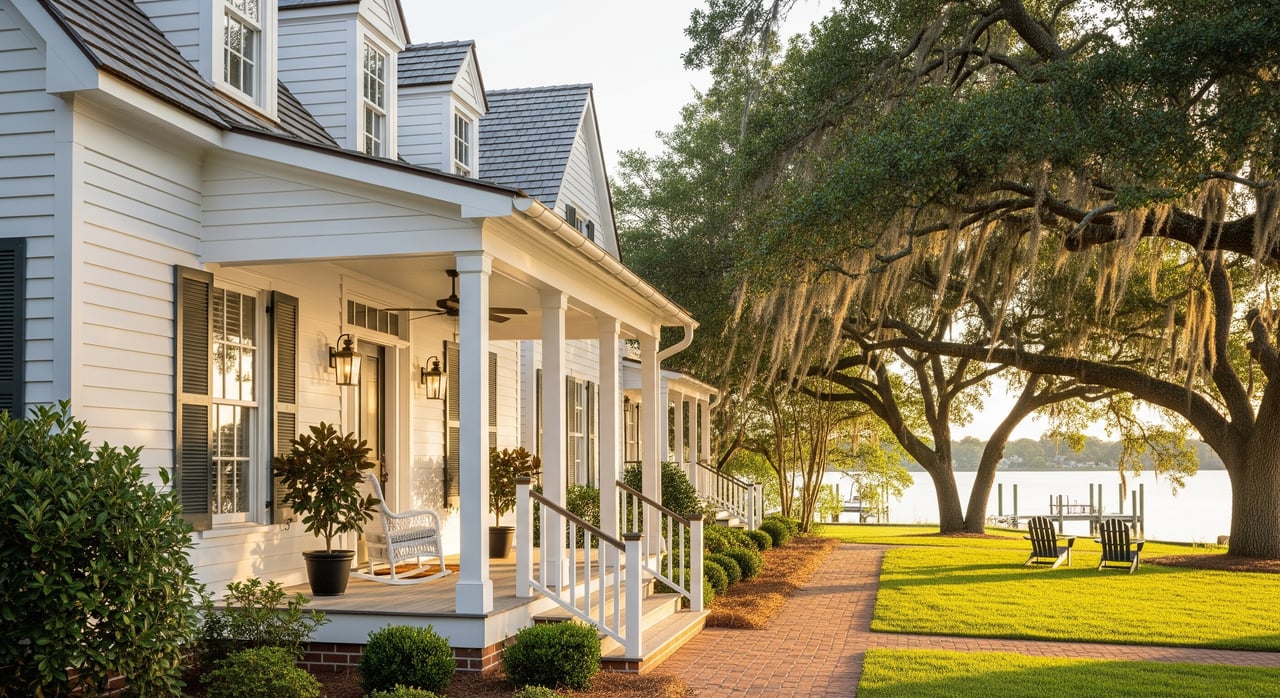
Buying your first home in New Bern can feel exciting and a little overwhelming. You want a smart plan, clear steps, and local guidance that fits a coastal market. In this guide, you’ll learn how the process works in North Carolina, what upfront costs to expect, how coastal factors like flood insurance affect your budget, and which local tools help you verify details fast. Let’s dive in.
Why New Bern works for first-time buyers
New Bern sits where the Neuse and Trent Rivers meet, so you get historic charm, water access, and a small-city feel. Major employers include healthcare, government, tourism, and nearby military at MCAS Cherry Point in Havelock. Buyers range from local workers to retirees and military families relocating for value.
Neighborhoods vary by age of homes, amenities, and flood risk. The Downtown Historic District offers older homes and walkable streets, with some properties in lower-lying areas. Riverside, Broad Creek, and other riverfront spots deliver water access and views, with higher exposure to flooding and storm surge. West New Bern and suburban subdivisions often have municipal services and newer construction. Areas near Havelock are popular with military buyers due to commute convenience. Outlying parcels may use well and septic.
Market numbers like median price and days on market change quickly. Before you make offers, review current trends with your agent and check property records on county sites. This keeps your search grounded in today’s data.
Your step-by-step timeline
Prepare your financing (1 to 4 weeks)
Get pre-approved, not just pre-qualified. You will submit pay stubs, W-2s, bank statements, and consent to a credit check. A pre-approval strengthens your offer. If you need assistance, explore programs from the North Carolina Housing Finance Agency.
Choose a local buyer’s agent who knows New Bern and coastal considerations. Share your budget, priorities, and must-haves. Research neighborhoods, commute times, and insurance expectations for coastal homes so you understand ongoing costs.
Search and showings (2 weeks to several months)
Use saved MLS searches and alerts. Visit homes at different times of day to assess traffic, noise, and flood exposure. Ask about roof age, prior water intrusion, and any storm-related repairs. In waterfront or low-lying areas, review flood zones and request elevation details.
Offer and negotiation (1 to 7 days)
North Carolina purchase offers include price, deposits, timelines, and contingencies. You will likely include both an Earnest Money deposit and a Due Diligence Fee. Earnest Money is typically held by a third party and can be refundable based on contract terms. The Due Diligence Fee is paid to the seller for the right to investigate during the due diligence period and is typically nonrefundable once paid.
Due diligence period (7 to 21 days, negotiable)
Order a general home inspection, termite or WDI report, HVAC and roof evaluations, and a survey if you have boundary questions. For homes on septic or well, schedule a septic inspection and well water test. For homes in or near mapped flood zones, confirm the FEMA zone and request or order an elevation certificate. Use the FEMA Flood Map Service Center to check parcel flood zones, and get flood insurance estimates early using guidance from the National Flood Insurance Program.
During due diligence, you can renegotiate repairs, accept the home as is, or terminate per the contract. Your agent will manage deadlines.
Loan, appraisal, and title (commonly 30 to 45 days)
Your lender orders the appraisal, which must align with loan guidelines. A closing attorney or settlement agent orders the title search. Lenders usually require title insurance. Under TRID rules, you must receive your Closing Disclosure at least 3 business days before closing.
Closing day (1 day)
You will sign closing documents with a closing attorney or attorney-approved settlement agent. Funds for your down payment and closing costs are wired or certified. The deed is recorded with the Craven County Register of Deeds. You receive keys as set by the contract.
Understand North Carolina costs
Upfront cash to plan for
- Earnest Money: Often 1 to 3 percent of the offer amount. Held by the closing attorney or listing broker. Terms vary by contract.
- Due Diligence Fee: Paid to the seller for the due diligence period and typically nonrefundable once paid.
- Down payment: Conventional can be as low as 3 percent for some programs, with many buyers putting 5 to 20 percent. FHA minimum is 3.5 percent. VA and USDA can be 0 percent for eligible buyers and properties.
- Closing costs: Plan for about 2 to 5 percent of the purchase price. This includes lender, attorney, title, and prepaid items.
Loan options to consider
- Conventional: Competitive rates for well-qualified buyers. Lower down payment options exist.
- FHA: Flexible credit standards with 3.5 percent down for many buyers. Learn more from HUD’s FHA resources.
- VA: 0 percent down for eligible veterans and active-duty service members. Review requirements on the VA home loans page.
- USDA: 0 percent down for eligible buyers and properties in qualifying rural areas. Check property eligibility on the USDA map.
If you need down payment help, explore the NC Housing Finance Agency’s buyer programs.
Title, attorney, and escrow
In North Carolina, closings are typically handled by an attorney or attorney-approved settlement agent. Expect a title search and title insurance as part of standard lender requirements. Your attorney coordinates recording and disbursement.
Coastal factors you should not skip
Flood risk and insurance
New Bern’s riverfront setting means flood risk is a key factor. If a home is in a Special Flood Hazard Area and you use a regulated lender, flood insurance will be required. Premiums vary based on elevation, prior claims, and building features. Verify the zone on the FEMA Flood Map Service Center, request an elevation certificate, and get premium estimates using the National Flood Insurance Program before you finalize an offer.
Wind and hurricane coverage
Coastal policies often have separate wind or hurricane deductibles. Get quotes early and review wind-mitigation features like roof age and storm shutters. The North Carolina Department of Insurance offers consumer guidance on homeowners coverage and coastal considerations.
Waterfront rights and permits
If you plan to add or repair a dock, bulkhead, or shoreline structure, check Coastal Area Management Act rules first. The North Carolina Division of Coastal Management explains CAMA permits and local process steps.
Septic and well systems
Outside town centers, many properties use septic and well. Order a septic inspection and pump-and-dye test if needed, plus a water test for bacteria and nitrates. Ensure systems fit current household needs and local rules.
Maintenance costs over time
Salt air can shorten the life of HVAC units and exterior finishes. Plan for more frequent exterior painting, corrosion-resistant fixtures, and pier or bulkhead upkeep. Consider flood-resilient landscaping and regular roof inspections.
New Bern neighborhoods at a glance
- Downtown Historic District: Older homes with walkability and tourism appeal. Some properties may sit in lower-lying areas. Check historic restrictions and flood zones before you buy.
- Riverside, Broad Creek, and riverfront areas: Water access and views with higher exposure to flooding and storm surge. Elevation certificates can help refine insurance costs.
- West New Bern and suburban subdivisions: Newer homes, often with municipal services. Review HOA rules, commuting routes, and insurance coverage.
- Near Havelock and Cherry Point: Popular with military buyers due to commute efficiency. Consider resale patterns and neighborhood amenities.
- Outlying rural parcels: Well and septic are common. USDA financing may apply for eligible properties and buyers.
Smart buyer checklists
Before you search
- Pull your credit and correct errors.
- Gather pay stubs, W-2s, and bank statements for pre-approval.
- Discuss budget, loan types, and down payment help with a local lender.
While you tour homes
- Visit at different times of day and ask about flood history and prior claims.
- Confirm roof age, HVAC service history, and any storm-related repairs.
- Check flood zones and ask for an elevation certificate in low-lying areas.
When you make an offer
- Set Earnest Money and the Due Diligence Fee.
- Choose a due diligence period and propose a closing date.
- Define inspection, financing, appraisal, and title contingencies.
During due diligence
- Order general, termite/WDI, HVAC, and roof inspections.
- Schedule septic and well inspections if applicable.
- Order a survey if you have boundary concerns.
- Verify flood zone, obtain insurance quotes, and review the title search.
Before closing
Secure homeowners and, if required, flood insurance.
Satisfy lender conditions and review the Closing Disclosure.
Complete a final walk-through and confirm wired funds.
Local tools and resources
- Look up parcel flood zones on the FEMA Flood Map Service Center.
- Estimate flood coverage basics with the National Flood Insurance Program.
- Review homeowners coverage guidance from the North Carolina Department of Insurance.
- Explore down payment and mortgage options through the North Carolina Housing Finance Agency.
- Check parcel maps and layers on the Craven County GIS.
- Research recorded deeds and instruments with the Craven County Register of Deeds.
- Learn about shoreline rules and permits at the North Carolina Division of Coastal Management.
- Verify USDA property eligibility on the USDA map and review VA and FHA options on the VA home loans page and HUD FHA resources.
Make your first move with a local guide
Buying your first home in New Bern is easier when you have a clear plan and a coastal-savvy partner. Our team helps you compare neighborhoods, estimate insurance, and time your due diligence steps so you feel confident from offer to closing. If you are shopping from out of town, we support you with virtual tours, MLS alerts, and steady communication.
Have questions or want to see homes? Connect with the NC Coastal Team for a friendly, no-pressure consultation.
FAQs
What is the difference between Earnest Money and the Due Diligence Fee in NC?
- Earnest Money is typically refundable based on contract terms and held in escrow, while the Due Diligence Fee is paid to the seller for the due diligence period and is typically nonrefundable once paid.
How long does it take to buy a home in New Bern?
- Many buyers close in 30 to 45 days after going under contract, with 1 to 4 weeks of preparation and a due diligence period that often ranges from 7 to 21 days.
Do I need flood insurance in New Bern?
- If the home is in a Special Flood Hazard Area and you use a regulated lender, flood insurance will be required; verify your zone on FEMA maps and get quotes early.
Are USDA or VA loans available in Craven County?
- Yes, USDA may apply to eligible rural properties and VA loans are available for eligible service members and veterans, subject to property and borrower requirements.
What inspections should first-time buyers order in New Bern?
- A general home inspection plus termite/WDI, HVAC, roof, septic and well (if applicable), survey for boundaries, and an elevation certificate in or near flood zones.
Who handles closing in North Carolina?
- Closings are typically conducted by a closing attorney or an attorney-approved settlement agent, who manages the title search, documents, and recording.
