How to Buy a Historic Home in Beaufort NC
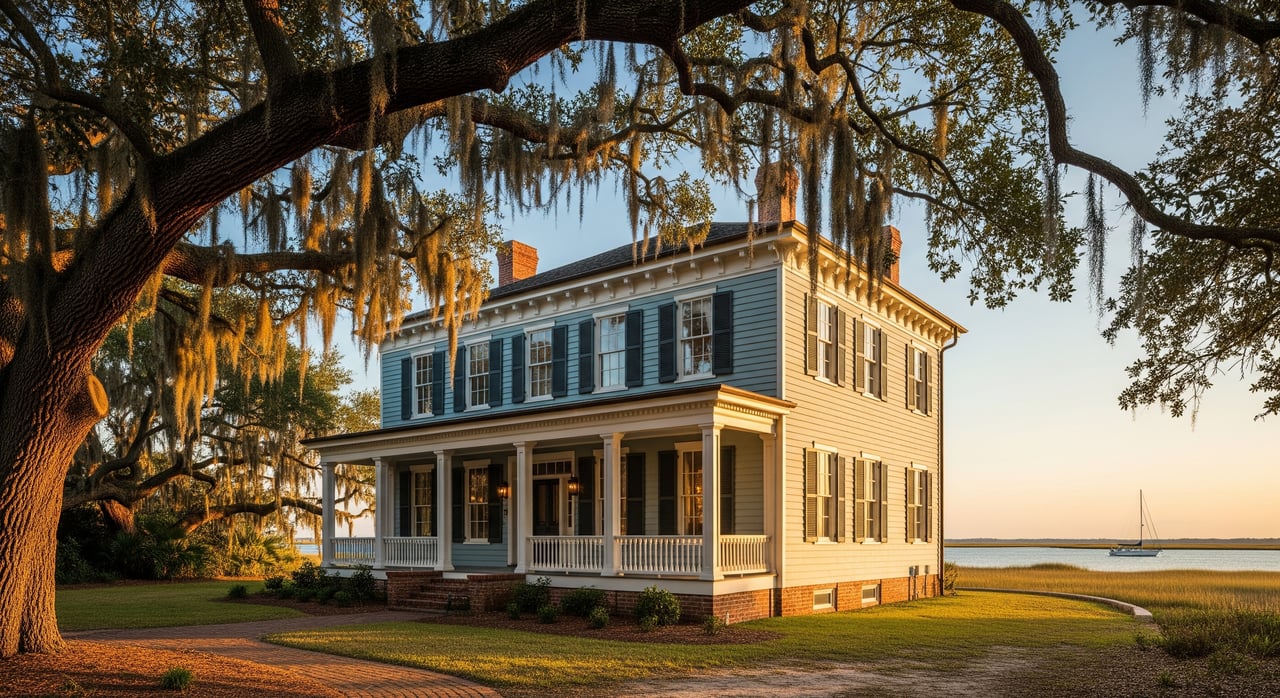
You fall in love with a sunlit porch on Front Street in Beaufort. The breeze moves through tall windows. The live oaks frame the view. And then the practical questions hit.
What will the town let you change?
How do flood zones affect renovations and insurance?
What surprises hide behind 120-year-old siding?
Buying a historic home in Beaufort is deeply rewarding, but it comes with rules, risks, and responsibilities you should understand before writing an offer.
In this guide, you’ll learn how to check preservation requirements, evaluate coastal condition issues, estimate realistic budgets, and protect your investment from day one.
Why Beaufort’s Historic Homes Stand Out
Beaufort is one of North Carolina’s oldest coastal towns. Its historic core reflects centuries of maritime life, shipbuilding, and waterfront commerce.
You’ll find:
• Coastal frame cottages elevated on brick or pier foundations
• Deep porches designed for cross-breezes
• Simple gabled roofs and metal standing seam accents
• Late Victorian detailing
• Early 20th-century Craftsman influences
Character-defining elements matter here. Original windows, muntin patterns, porch columns, siding profiles, chimneys, and roof shapes are not just charming details. They often determine what the town will approve and what buyers will value long term.
This is not cookie-cutter coastal construction. These homes tell a story.
If you want a broader overview of neighborhoods, lifestyle, and market dynamics, start with our guide to living in Beaufort NC.
First Step: Know the Rules
Confirm Historic District Status
Start with the Town of Beaufort Planning Department and Historic Preservation Commission.
Ask:
• Is the property inside the local historic district?
• Does exterior work require a Certificate of Appropriateness (COA)?
• What design standards apply?
If the home is within the district, most exterior work visible from the street requires review before permits are issued.
Paint colors, window materials, porch details, roofing materials, and additions may all require approval.
Understanding this before you offer prevents expensive surprises.
Review Deeds and Easements
Search Carteret County deed records for:
• Restrictive covenants
• Recorded historic easements
• Private preservation agreements
Even if a property sits outside the local district, private easements can still limit changes. Those restrictions run with the land.
Check State and National Listings
Confirm listing status through the North Carolina State Historic Preservation Office and the National Register of Historic Places.
National Register listing does not automatically restrict private homeowners, but it can influence expectations and may affect tax credit eligibility for income-producing properties.
Verify Flood Zone and Elevation
Beaufort sits along the water. Flood diligence is not optional.
Use FEMA Flood Map Service Center data and county floodplain resources to identify:
• Flood zone designation
• Base flood elevation
• Whether the property sits in an AE or VE zone
Elevation relative to base flood elevation directly impacts:
• Insurance premiums
• Renovation feasibility
• Foundation requirements
• Future resale appeal
Understanding these variables is important when evaluating total ownership cost in Beaufort. For a deeper breakdown, read our guide on understanding flood insurance in coastal North Carolina.
What to Expect in Design Review
If the home is in the local district, most exterior changes visible from public streets require a COA.
This often includes:
• Window replacement
• Siding changes
• Roof material updates
• Porch alterations
• Additions
• Demolition of distinctive features
Interior work is typically less regulated unless a private easement applies.
Before you buy:
• Ask the seller for prior COAs
• Request copies of approved plans
• Confirm no outstanding violations exist
Early clarity saves months of frustration.
Common Coastal Condition Risks
Historic homes on the Crystal Coast face both age and salt exposure.
Watch for:
Moisture intrusion and wood rot in porch framing and sills
Corrosion of fasteners, flashing, and HVAC components
Termites, carpenter ants, and powderpost beetles
Pier settlement or flood scour
Outdated wiring such as knob-and-tube
Galvanized plumbing
Lead-based paint in pre-1978 homes
Potential asbestos in insulation or adhesives
Chimney mortar deterioration from salt exposure
Roof systems that do not meet modern wind standards
These issues are manageable. They just require eyes open and inspections tailored to older coastal structures.
Order the Right Inspections
Historic homes deserve more than a standard inspection.
Consider:
• Structural evaluation by an engineer familiar with pier foundations
• Wood-destroying insect inspection
• Roofing and moisture assessment
• Chimney inspection
• Licensed electrician review
• HVAC assessment
• Lead paint evaluation for pre-1978 homes
• Asbestos testing when materials are suspect
If the property lies in a flood zone, obtain an elevation certificate early.
Insurance, Flood, and Financing
Standard homeowner policies do not cover flood damage.
If the home is in a FEMA Special Flood Hazard Area, you will likely need coverage through the National Flood Insurance Program or a private carrier.
Coastal homes may also have:
• Separate wind deductibles
• Roof age requirements
• Wiring upgrade conditions
Ask about coverage that allows period-appropriate repairs rather than standard modern replacements.
Most lenders finance historic homes, but they must be insurable and appraise appropriately.
For homes needing substantial renovation, buyers often explore:
• FHA 203(k) loans
• Fannie Mae HomeStyle renovation loans
If you are comparing financing structures for older properties versus newer builds, review our breakdown of coastal home buying considerations across the Crystal Coast.
Federal historic tax credits typically apply only to income-producing properties.
Budgeting Realistically
Historic coastal projects cost more than standard renovations.
Specialty carpentry, window restoration, masonry repointing, pier repair, and electrical upgrades add up quickly.
Plan for a 15 to 30 percent contingency above contractor estimates.
Sequence work strategically:
-
Roof and drainage
-
Foundation and framing
-
Electrical and plumbing safety
-
Restoration and finish work
Hidden conditions are common. Conservative budgeting protects your sanity and your investment.
A Practical Buyer Checklist
Before You Make an Offer
Confirm district status
Review COA guidelines
Check flood zone and base flood elevation
Search deed records
Request maintenance records and prior approvals
After Offer Acceptance
Schedule general inspection
Order WDI, structural, roofing, and electrical evaluations
Arrange lead or asbestos inspections if applicable
Obtain elevation certificate if needed
Request contractor estimates
Before Closing
Secure homeowner’s and flood insurance
Confirm lender approval
Verify no open COA violations
Confirm completed exterior work was approved
Design Changes That Commonly Trigger Review
Expect scrutiny for:
• Window replacements
• Porch enclosures
• Roofline changes or dormers
• Street-visible additions
• Removal of chimneys or trim
When unsure, ask the planning office before finalizing design plans.
Proactive communication shortens timelines.
Why Many Buyers Still Choose Historic Beaufort
Despite the added diligence, buyers continue choosing Beaufort’s historic district because daily life feels different here.
You can walk to the waterfront.
You can dock nearby.
You can sit on a porch that has weathered generations.
For many, that tradeoff is worth it.
If you’re also considering nearby waterfront communities, you may want to compare this with living in Morehead City NC or explore barrier island options like Atlantic Beach and Emerald Isle.
Your Next Step on the Crystal Coast
Buying a historic home in Beaufort can be a lifestyle win and a long-term investment when approached thoughtfully.
Focus on district rules, flood realities, specialized inspections, and realistic budgeting.
With the right preparation, you can preserve the character you love while making careful, informed updates that stand the test of time.
If you want a second set of eyes on a property or help evaluating district rules before writing an offer, the NC Coastal Team can walk through it with you calmly and strategically.
FAQs
What should I check first when buying a historic home in Beaufort?
Confirm historic district status, review COA guidelines, check deed records for easements, and verify flood zone and elevation.
Do I need approval to change windows?
Most exterior changes visible from the street, including windows, typically require a Certificate of Appropriateness.
How do flood zones affect a historic home purchase?
Flood zone and base flood elevation influence insurance costs, renovation feasibility, and foundation requirements.
Are historic homes harder to insure on the Crystal Coast?
They are insurable, but premiums and underwriting conditions can be stricter due to age, flood exposure, and wind risk.
Can I use renovation financing?
Yes. FHA 203(k) and HomeStyle loans are commonly used for eligible properties needing improvements.
What contingency should I plan?
A 15 to 30 percent contingency above contractor estimates is prudent for historic coastal renovations.
